











Eni Dicrea 46 — Mineral Oil for Rotary Screw Air Compressors
135,00 MDL
Eni Dicrea 46 is a high-performance paraffinic-base mineral oil, developed by the Eni concern specifically for the professional lubrication of rotary air compressors (vane or screw type), as well as vacuum pumps operating under non-severe conditions (non-aggressive gas, vacuum level from 1 to 1000 mbar).
1. Purpose and Operating Principle
The oil performs three functions simultaneously:
- maintains a stable oil film on the friction surfaces of the screw rotors at air delivery temperatures above 200 °C, preventing dry friction and scoring;
- slows thermo-oxidative aging of the oil, forming virtually no sludge, deposits, or carbon residue on the compressor’s hot parts;
- protects the system’s metal surfaces from corrosion and rust, including in the event of accidental condensate ingress into the oil circuit.
2. Technical Specifications
| No. | Parameter | Unit | Value |
|---|---|---|---|
| 1 | Density at 15 °C | kg/m³ | 858 |
| 2 | Viscosity at 40 °C | mm²/s | 46 |
| 3 | Viscosity index | — | 115 |
| 4 | Flash point (COC) | °C | 222 |
| 5 | Pour point | °C | −15 |
| 6 | Demulsibility at 54 °C | min | 15 |
| 7 | Foaming test | cc/cc | 100/0 |
| 8 | Rust test (ASTM D 665 A/B) | — | Pass |
| 9 | Base oil class | — | Mineral, paraffinic base |
| 10 | Standards compliance | — | ISO 6743/3 (DAH, DAB, DVA), DIN 51506-VDL |
3. Composition and Protective Properties
- Exceptional thermo-oxidative stability. Per the DIN 51352 Part 2 method, the increase in coke-like deposits is close to zero — the oil forms virtually no sludge on the compressor’s hot parts, even with prolonged use.
- High antiwear properties. The oil passes the 9th load stage test per the FZG method, which is critical for protecting the rotor pairs of screw compressors, the components most exposed to mechanical wear.
- Effective anticorrosion protection. Meets the strict requirements of the ASTM D 665 A/B standard — the oil is non-aggressive toward metals and prevents rust formation inside the system.
- Fast demulsibility. Water separation at 54 °C takes just 15 minutes — an important property when operating under high humidity or seasonal condensate formation.
- Full seal compatibility. The formula is inert toward all rubber gasket and seal types commonly used in modern compressor installations — no need to replace seals when switching from a similar mineral oil.
- Enhanced resistance to oxidative aging. Per the R.O.C.O.T. method, the oil retains its viscosity characteristics over a long operating period, allowing for extended service intervals compared to base mineral oils.
4. Usage and Oil Change Recommendations
- Fully drain the used oil before refilling with new oil — residue from another oil (especially a different brand or type) dilutes the additive package and reduces stated performance characteristics.
- Do not mix Eni Dicrea 46 with synthetic oils without prior compatibility verification — although the oil is compatible with standard seals, mixing different base oils and additive packages can impair the blend’s antioxidant and antiwear properties.
- Check the oil level via dipstick or sight glass after filling and after the first hours of operation under load — the level should match the compressor manufacturer’s specifications.
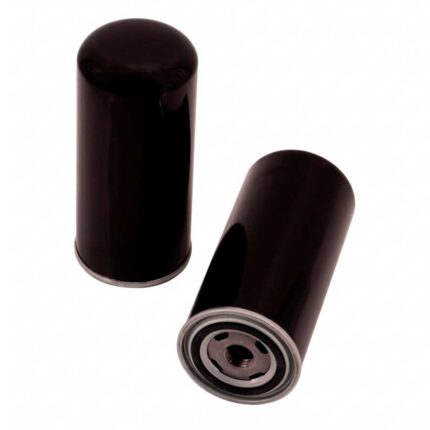
- Replace the oil filter and separator element along with the oil — old filters contain residue from the previous oil and contaminants that reduce the new oil’s service life from the first hours of operation.
- Store the oil in sealed, airtight containers in a dry location away from direct sunlight — moisture or dust entering the container reduces demulsibility and anticorrosion properties even before use.
- Dispose of used oil in accordance with local environmental regulations — do not pour it into drains or onto the ground.
5. Analogues and Comparison
Eni Dicrea 46 is comparable in viscosity class (ISO VG 46) and purpose to mineral oils for screw compressors from other manufacturers, notably Kaeser Sigma Fluid S (mineral version), Mobil Rarus 427, Shell Corena S2 P 46, and Total Dacnis SH 46.
When selecting an equivalent, always verify:
- the ISO VG 46 viscosity class — matching viscosity doesn’t mean an identical additive package;
- compliance with ISO 6743/3 (DAH/DAB/DVA) and DIN 51506-VDL standards — these classifications are what confirm the oil’s suitability for rotary compressors with high delivery temperatures;
- FZG test results (antiwear properties) and DIN 51352-2 (coking) — critical for compressors with delivery temperatures of 200 °C and above;
- the compressor manufacturer’s (Kaeser’s) oil type recommendations — switching from original Kaeser oil to an equivalent should be confirmed, especially if the compressor is under warranty.
If you’re planning to switch to Eni Dicrea 46 from another oil, send us the current oil brand — we’ll help assess compatibility before the switch.
6. Common Usage Mistakes
- Topping up with a different oil type or brand “as needed” instead of a full change — leads to mixing different additive packages and unpredictable blend behavior.
- Extending the oil change interval beyond the recommended period, relying on the oil’s “improved characteristics” — even an oxidation-resistant oil depletes its additive reserve, and visual inspection doesn’t always reveal the actual condition.
- Changing the oil without replacing the oil filter and separator element — a common cause of rapid contamination of fresh oil and premature loss of its properties.
- Storing the oil in an open or damaged container — leads to oxidation and moisture ingress even before use.
- Ignoring the compressor manufacturer’s oil type recommendations — especially critical for compressors under warranty, where using an unapproved oil can sometimes be grounds for denying warranty service.
7. Practical Applications
Eni Dicrea 46 oil is an essential lubricant in the following areas:
- Rotary compressors — specifically adapted for screw and vane systems.
- Piston compressors — providing lubrication in reciprocating-type assemblies.
- High-temperature systems — equipment with air delivery temperatures of 200 °C and above.
- Specific industrial equipment — for example, Dicrea 320 series variants are recommended for PNEUMOFORE F series compressors.
- Food and medical production — compressor stations with regular lubricant quality control.
- Vacuum pumps — operating under non-severe conditions: non-aggressive gas, vacuum level from 1 to 1000 mbar.
8. Expert Opinion
Vitali Boluchevski, Lead Engineer at Acvatron SRL (18 years of experience):
“Eni Dicrea 46 is chosen for rotary installations because of its unique resistance to oxidative aging. In R.O.C.O.T. method testing, the oil maintains its viscosity characteristics over a long operating period, allowing for significantly extended service intervals. In practice, for rotary compressors operating in our climate with seasonal humidity swings, fast demulsibility is just as important a property as antiwear performance — condensate in the circuit shows up more often than we’d like. The main rule when switching to this oil is to fully drain the old oil and replace the filters, otherwise some of the stated benefits are simply lost within the first hours of operation.”
9. Frequently Asked Questions
1. Can Dicrea 46 be used if the outlet air temperature is very high? Yes, the oil is specifically designed for conditions where delivery temperature reaches or exceeds 200 °C.
2. Is this oil suitable for screw compressors? Yes, the 46 viscosity and additive package of Dicrea 46 oil are specifically optimized for rotary compressors, including screw and vane types.
3. How does the oil behave when in contact with water (condensate)? The oil has excellent demulsibility (water separation) — separation time at 54 °C is just 15 minutes.
4. What’s the recommended oil change interval for mineral Dicrea 46? ⚠️ The exact interval depends on operating conditions, delivery temperature, and compressor operating hours — we recommend following your compressor manufacturer’s schedule. As a rule, mineral oils of this class are changed more frequently than synthetic equivalents. Contact us to determine the interval for your operating conditions.
5. Can Eni Dicrea 46 be mixed with synthetic oil when topping up? Not recommended without prior compatibility verification — different base oils and additive packages can behave unpredictably when mixed. It’s better to perform a full change with a system flush when switching to a different oil type.
6. Do the filters need to be replaced when changing to Eni Dicrea 46? Yes, always. Old filters contain residue from the previous oil and contaminants — replacing them along with the oil ensures the new oil’s stated characteristics are fully realized.
7. Is Eni Dicrea 46 suitable for a compressor currently under Kaeser warranty? We recommend checking with an official Kaeser service center whether using an alternative oil is permitted during the warranty period — using an oil not approved by the manufacturer can sometimes be grounds for denying warranty service.