










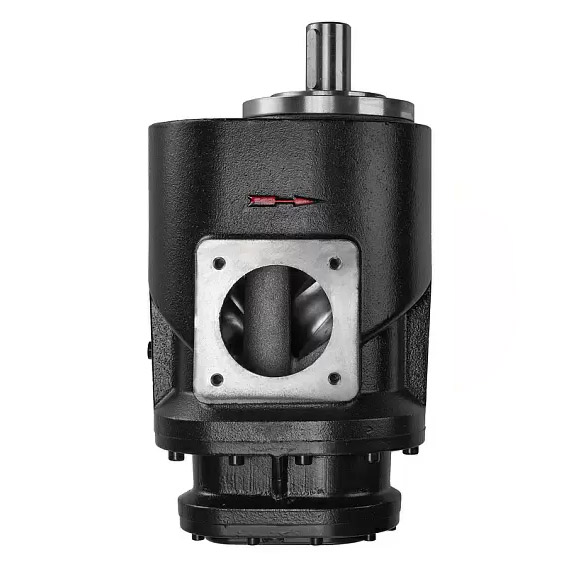
1. Operating principle — the classic meshed rotor pair scheme (male and female):
- Atmospheric air is drawn into the space between the rotors through the intake port.
- As the meshed rotor pair rotates, the volume of the inter-tooth cavity progressively shrinks as the air moves along the airend’s axis, compressing it.
- Compressor oil is injected into the compression zone at the same time — it performs three functions: sealing the clearances between the rotors and the housing, cooling the air and the rotor pair during compression, and lubricating the bearings and the rotors themselves (in oil-flooded airends, the rotors have no timing gears and transmit torque directly through the oil film).
- The compressed air/oil mixture exits through the discharge port and then passes on to oil separation in the rest of the compressor.
2. Technical Specifications
| Parameter | Value |
|---|---|
| Model | BAOSI YNT60A |
| Modification code | BBIT (revision for compressors of Chinese and European manufacture, built on the Baosi unit) |
| Recommended motor power | 7.5–11 kW |
| Capacity range | 0.46–1.65 m³/min |
| Working pressure (maximum) | up to 1.7 MPa (17 bar) |
| Optimal working pressure range | 8–10 bar |
| Rotor speed | 1350–4550 rpm |
| Maximum discharge temperature | up to 85°C |
| Drive type | Direct or belt |
| Rotor profile | Next-generation gear tooth form |
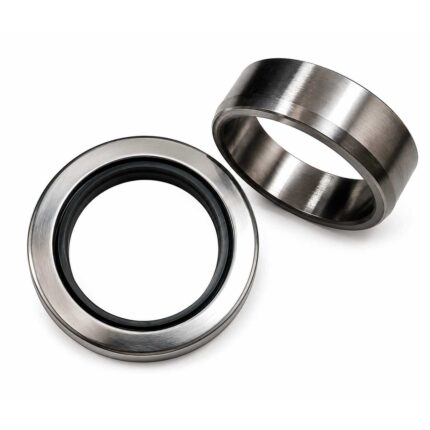
⚠️ Exact mounting dimensions, output flange diameter, and bearing/shaft seal type for the BBIT modification are not published separately by the manufacturer in open sources — these parameters are the key difference from the similarly named BBCT modification (see Section 5). Before ordering, verify the exact match on these parameters with an Acvatron sales manager, especially if the airend is being ordered as a replacement for a specific compressor brand built on the Baosi unit.
3. Design Features
Decoding the designation YNT60A-BBIT:
| Element | Meaning |
|---|---|
| YNT | BAOSI’s screw airend series |
| 60A | Size class (rotor pair diameter class) within the YNT lineup |
| BBIT | Housing and rotor pair revision code, optimized for servicing and repairing compressors built on the Baosi unit |
Key design solutions:
- Next-generation rotor gear tooth profile — the profile geometry reduces internal air leakage between compression chambers, raising the airend’s efficiency and lowering specific energy consumption compared to older rotor profiles.
- Specialized BBIT revision — the letter code indicates a specific rotor generation and the type of factory-fitted bearings and shaft seals, optimized for the construction of compressors built on the Baosi unit by various manufacturers in China and Europe.
- High thermal stability — the construction is designed for prolonged operation at discharge temperatures up to 85°C, which keeps compressed air parameters stable and extends compressor oil life.
- Optimized housing rigidity — the updated structural design of the housing walls reduces vibration and noise while maintaining strength under 15–17 bar loads.
4. Installation Recommendations
- Check the exact modification code match before ordering — BBIT and the similarly named BBCT are not guaranteed to be interchangeable; for compressors built on the Baosi unit, it’s specifically the BBIT that provides a confirmed match of mounting points and output flange diameter.
- Check the drive motor power against the 7.5–11 kW range — the airend is sized for this power range; fitting it to a motor outside this range can disrupt the optimal rotor speed (1350–4550 rpm) and shorten the unit’s life.
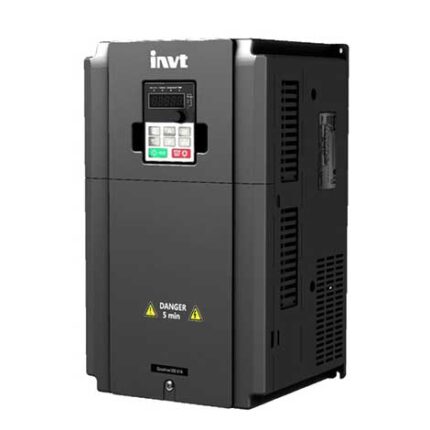
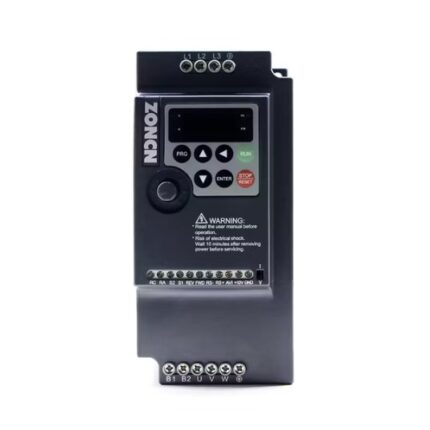
- When replacing the airend on a VFD-equipped compressor, always recalibrate the inverter — even a small deviation in the new rotors’ geometry relative to the worn ones requires re-tuning current distribution to maintain optimal torque.
- Check the condition of the oil separation system before installing the new airend — the oil-flooded compression scheme depends critically on clean, adequately supplied oil; a contaminated or worn separation system shortens the new airend’s life.
- Don’t run the compressor continuously at maximum pressure (17 bar) — the optimal working range for this model is 8–10 bar; operating near the upper limit of the rated pressure is permitted but shortens the rotor pair’s life under continuous operation.
- Monitor discharge temperature — consistently approaching the rated maximum (85°C) indicates cooling problems or insufficient oil supply, not a normal operating regime.
5. Analogues and Comparison
Compatibility with other compressor brands: The airend can be fitted to Berg, Comaro, or Remeza compressors if their existing rotor pair has identical connection dimensions. However, the BBIT modification is primarily aimed at compressors of Chinese and European manufacture built on the Baosi unit — dimensional matches for other brands need to be confirmed individually, not assumed guaranteed.
BBIT vs BBCT — an important distinction when selecting the part:
| Criterion | BBIT | BBCT |
|---|---|---|
| Target compressor platform | Compressors built on the Baosi unit (current OEM revision) | A different revision, more common on the market |
| Match of mounting points and output flange diameter | Confirmed for the Baosi platform | Not guaranteed |
| Risk of unverified substitution | Low (for the Baosi platform) | High — airends look similar but may not match on mounting |
Before ordering a replacement, always check the marking on the old airend’s nameplate — the modification code is critical for correct selection, even if the general model (YNT60A) matches.
6. Common Ordering and Installation Mistakes
- Ordering the BBCT version instead of BBIT (or vice versa) because the base model name looks similar — the airends look alike and share a similar name, but the modification code determines mounting points and compatibility with a specific compressor platform.
- Replacing the airend without subsequently recalibrating the frequency inverter — on VFD-equipped compressors, this leads to incorrect current distribution and unstable torque at the rotors.
- Ignoring the condition of the oil separation system when replacing the airend — installing a new screw airend into a system with a worn oil separator drastically shortens the new part’s service life.
- Continuous operation at maximum rated pressure — the airend tolerates pressure up to 17 bar, but optimal service life is achieved in the 8–10 bar range; systematic operation near the upper limit accelerates rotor pair wear.
- Fitting to a motor outside the 7.5–11 kW range — disrupts the calculated rotor speed and can lead to premature failure.
7. Application Areas
Thanks to its reliability and compactness, the BAOSI YNT60A (BBIT) is widely used in the following fields:
- Metalworking — powering small plasma cutting machines
- Woodworking shops — running pneumatic clamps and paint booths
- Construction — as part of mobile compressor stations for finishing work
- Auto repair shops — powering pneumatic tools and tire service stands
8. Expert Opinion
Vitali Boluchevski, Lead Engineer, Acvatron SRL, 18 years of experience:
“The YNT60A airend marked BBIT is a critically important spare part specifically for owners of compressors built on the Baosi unit, whether Chinese or European assembly. Many people try to replace it with the more common BBCT version, but it’s specifically the BBIT that guarantees a match on mounting points and output flange diameter for this platform. When replacing this airend, I always recommend recalibrating the frequency inverter if the compressor has one — even a small deviation in the new rotors’ geometry relative to the worn ones requires retuning current distribution to maintain optimal torque. And separately: it’s not worth running the compressor continuously at the maximum rated pressure of 17 bar just because the airend allows it — the rotor pair’s optimal service life is achieved in the 8–10 bar range.”
Standards Compliance
- ISO 1217-2009 — the acceptance standard for positive displacement compressors, guaranteeing the accuracy of stated capacity data
- ISO 8573-1 — compressed air quality (when using an appropriate purification system)
- GB18613-2020 / GB19153-2019 — Chinese national energy efficiency standards, which BAOSI components comply with
9. FAQ
Does the BBIT airend fit compressors of other brands? Yes, the airend can be fitted to Berg, Comaro, or Remeza compressors if their existing rotor pair has identical connection dimensions. The BBIT modification is primarily aimed at compressors of Chinese and European manufacture built on the Baosi unit, so compatibility with other brands needs to be confirmed individually.
What does the BBIT letter code on the nameplate mean? This identifier is extremely important when selecting spare parts — it indicates the specific rotor generation and the type of factory-fitted bearings and shaft seals. Visually similar modifications (such as BBCT) may not match on these parameters.
What is the maximum pressure this airend can withstand? Per the manufacturer’s technical documentation, the YNT60A airend is rated for operation up to 17 bar. The optimal working regime for this model is considered to be a pressure of 8–10 bar — operating at the upper limit of the rated range is permitted but shortens service life under continuous operation.
What exactly is a “screw airend,” and why does it sometimes need to be replaced separately from the whole compressor? The screw airend is the heart of a screw compressor: an assembly of a meshed rotor pair that directly compresses the air. The compressor’s other components (frame, oil tank, cooling system, electrics) typically outlast the airend itself, so when the rotor pair is significantly worn, it’s often more cost-effective to replace just the airend rather than the entire compressor.