









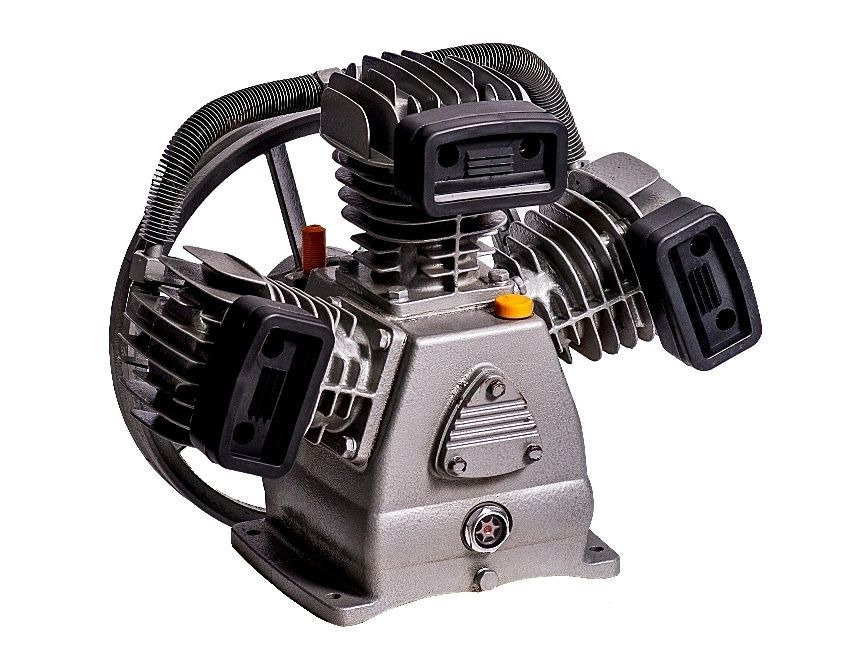
What is the LB40 Piston Block
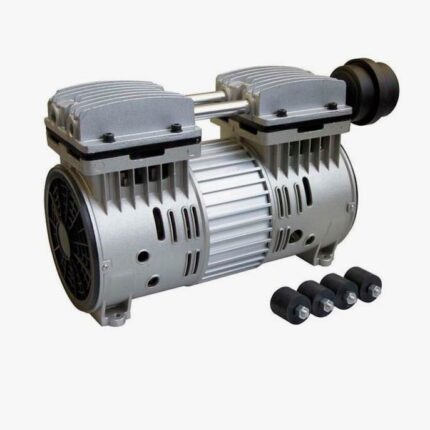
The LB40 piston block is an oil-lubricated compressor head (pump unit) manufactured by the Remeza plant (Minsk, Belarus) specifically for the Aircast range of industrial reciprocating compressors. It is a self-contained mechanical assembly which, together with the electric motor, receiver and pneumatic fittings, forms a complete compressor unit.
Part number breakdown — LB40:
LB — abbreviation for «Lubricated Block» (oil-type, as opposed to oil-free TC/TS series);
40 — the size designation, corresponding to a 65 mm cylinder bore and the 3 kW power class.
The operating principle is reciprocating: two pistons in V-arranged cylinders alternately draw in and compress air on each revolution of the crankshaft. Single-stage compression delivers discharge pressure of up to 10 bar. Lubrication is by splash: the crankpin picks up oil from the sump on every revolution. The flywheel-fan (~250 mm diameter) generates a forced airflow to cool the finned cylinders.
Cylinder and crankcase material — grey cast iron FC200, providing stable geometry at working temperatures of 80–110 °C and eliminating the piston-ring scuffing that is characteristic of aluminium alternatives under overheating conditions. The block complies with ISO 2151 for noise and CE for safety.
Technical Specifications — LB40
| Parameter | Value |
| Block type | Oil-lubricated, reciprocating piston |
| Number of cylinders | 2 |
| Cylinder arrangement | V-type |
| Compression stages | 1 (single-stage) |
| Cylinder bore | 65 mm |
| Recommended motor power | 3.0 kW |
| Theoretical displacement | 530 l/min (geometric, no losses) |
| Actual (effective) delivery | 440 l/min (volumetric efficiency ≈ 83%) |
| Maximum working pressure | 10 bar |
| Nominal shaft speed | 1000 rpm |
| Lubrication type | Splash oil, ISO VG 100 |
| Crankcase oil volume | ≈ 0.8 l |
| Cylinder / crankcase material | Grey cast iron FC200 |
| Valve plate material | Stainless spring steel |
| Block weight | 24 kg |
| Standards | ISO 2151, CE |
| Compatible compressor series | Aircast SB4/S-50.LB40, SB4/S-100.LB40, SB4/S-200.LB40 |
| Manufacturer | Remeza, Minsk, Belarus |
💡 Expert tip: Do not confuse the theoretical displacement (530 l/min) with the actual delivery (440 l/min). Always use 440 l/min when sizing the receiver, dryer and pneumatic consumers. Basing calculations on the theoretical figure creates a systematic 17% air deficit and leads to premature motor wear through excessive start cycles.
LB40 Equivalent Blocks by Brand
| Brand | Part number | Series | Standard | Key parameter | Note |
| Remeza / Aircast | LB50 | Aircast | ISO 2151 | 690 l/min, 4 kW | Next size up — not interchangeable |
| Abac | B5900B / OM210 | Pro Line | ISO 2151 | 412 l/min, 3 kW | Close match on pressure, different bolt pattern |
| Fini | BK119-200F | BK Series | ISO 2151 | 428 l/min, 3 kW | Italian make, mounting dims differ |
| Kaeser | Classic 320 | Classic | ISO 2151 | 440 l/min, 3 kW | Check shaft diameter before ordering |
| Zammer | 3LB30-3 | LB | ISO 2151 | 440 l/min, 3 kW | Exact performance match, verify flange |
⚠️ Warning: Blocks from other series (LB50, LB75) are NOT drop-in replacements for the LB40 — they have different base mounting dimensions, shaft diameter and pulley. Fitting without checking dimensions will require frame modification and pulley re-machining.
5 parameters to verify before fitting an alternative block:
- Shaft thread diameter and pitch for the pulley (LB40 — tapered shaft M16)
- Base mounting-hole centres (LB40 — 2 pairs of M10 bolts)
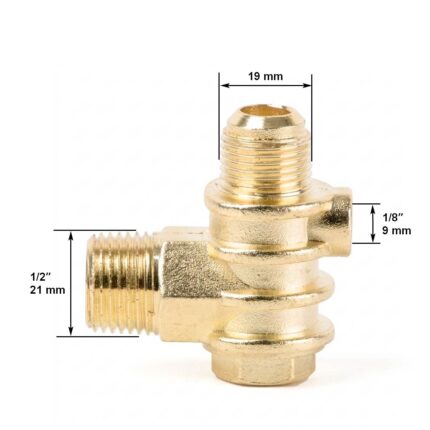
- Discharge port diameter and thread (LB40 — G1/2″ external thread)
- Actual delivery at the same speed (440 l/min at 1000 rpm)
- Maximum working pressure (at least 10 bar)
Signs of LB40 Block Wear — When to Replace
The piston block is a consumable component with a service life of 3000–5000 operating hours when the maintenance schedule is observed. Signs that make block replacement economically justified:
Loss of output
- The compressor takes noticeably longer to reach working pressure than at commissioning (more than 20% longer)
- A 100 l receiver takes more than 3 minutes to charge from 6 to 10 bar — the norm is 1.5–2 min
- Consumers «starve» under unchanged load
Oil consumption and leaks
- Increased oil consumption (more than 5 ml/hour) — indicates worn piston rings
- Oily air at the receiver outlet (oily condensate in the dryer)
- Oil leak at the crankcase joint or through the shaft seal
Mechanical noise and vibration
- Knocking in the cylinders on cold start that does not disappear after warm-up — piston scoring
- Metallic ringing of valve plates — valve failure
- Uncharacteristic frame vibration — flywheel imbalance or connecting-rod bearing wear
Replacement rule: if the cost of repair (rings + valves + big-end bearings) exceeds 60% of the price of a new LB40 block, replacing the block outright is more economical. Overhaul without cylinder re-boring delivers no more than 30% of the life of a new block.
LB40 Piston Block Replacement Procedure
Estimated time: 45–60 minutes with tools on hand. Special tool required: M16 pulley puller.
- Step 1 — De-energise and depressurise. Disconnect the compressor from the 380/220 V supply and post a warning notice. Open the condensate drain valve and confirm the gauge reads 0 bar before proceeding. Working under pressure is life-threatening.
- Step 2 — Remove belt and pulley. Loosen the 2–4 motor mounting bolts on the slide rails, push the motor toward the block and remove the V-belt. Lock the flywheel with a wooden wedge, undo the M16 shaft nut and pull the pulley with a puller — never strike it with a hammer, as this destroys the bearing.
- Step 3 — Disconnect delivery pipe and air filter. Use a ring spanner to undo the G1/2″ delivery pipe union. Disconnect the air filter. Plug the open receiver fitting with a clean rag to prevent contamination.
- Step 4 — Remove old block and drain oil. Undo the 4 × M10 base bolts. Lift the block (24 kg) with an assistant or hoist. Drain the oil through the bottom crankcase plug into a container and dispose of it in accordance with local regulations.
- Step 5 — Install the LB40 block. Set the new LB40 block on the frame, align the bolt holes and torque the M10 bolts to 25–30 N·m. Fill with fresh ISO VG 100 oil to the upper dipstick mark (≈ 0.8 l). Reconnect the delivery pipe and air filter.
- Step 6 — Fit belt, set tension and run. Fit the V-belt and adjust tension so the mid-span deflection is 10–15 mm under a 3 kg load. Tighten the motor bolts. Run the compressor unloaded for 15 minutes: check cylinder temperature (normal — 60–80 °C after 10 min), confirm no oil leaks and no abnormal noise.
Why Acvatron SRL: 5 Compelling Reasons
Engineering-led selection
Before dispatch, an Acvatron engineer verifies the block’s compatibility with your specific compressor model: cross-checking the mounting drawing, shaft diameter and delivery-pipe connection dimensions. This eliminates returns due to incompatibility — a typical 2–3 day loss of equipment uptime.
Complete service kit in one order
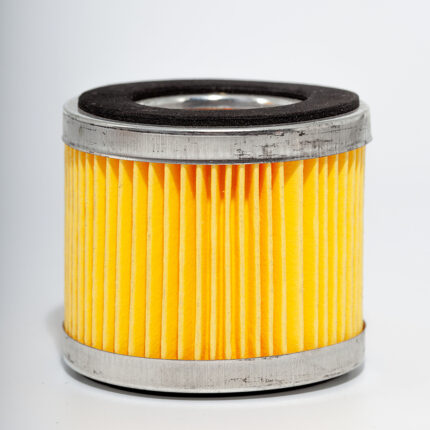
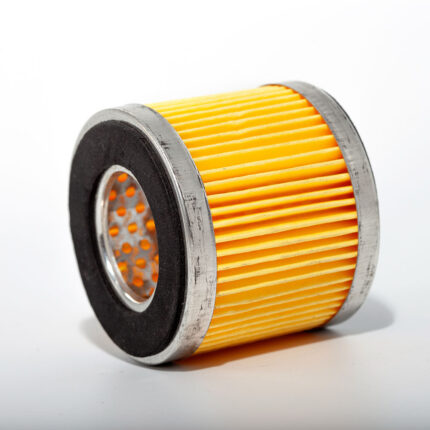
Alongside the LB40 block, the following are available from stock: Eni Dicrea VDL-100 oil, LB40 air filter, V-belt of the correct cross-section. One order — one delivery, no extra trips for consumables.
Stock held in Chisinau
The LB40 block is stocked at: 12 Sarmizegetusa St, Office 129, Chisinau. Same-day dispatch for orders placed by 15:00. Delivery throughout Moldova — 1–2 working days by courier.
Technical support after the sale
An engineer on +373 22 503-580 advises on installation, oil selection and belt tension adjustment. There is no need to pay a third-party service for telephone guidance — it is included in the purchase price.
Documentation for legal entities
We issue a tax invoice, delivery note and CE declaration of conformity. Documents are ready on the day of dispatch — no waiting on accounts departments.
Expert Opinion
Vitali Bolucevschi, Chief Engineer, Acvatron SRL, 15 years in the industry:
«The most common mistake when replacing the LB40 is fitting the new block without checking belt tension. A slack belt slips: the block cannot reach rated speed, actual output drops by 15–20% and the cylinders overheat. An over-tensioned belt destroys the shaft bearing in 200–300 hours instead of the rated 3000. The target is exactly 10–15 mm deflection under a 3 kg mid-span load — re-check after the first 20 hours of operation, as belts «settle». The second point: never mix oils from different manufacturers when filling for the first time — flush the crankcase with fresh oil, drain it, and only then add the working charge. It takes 15 minutes but preserves piston-ring life.»
Handling Objections
«I can find the LB40 cheaper on a marketplace»
Marketplaces carry Chinese alternatives marked as «LB40» with aluminium crankcases and a bore of 62–63 mm instead of 65 mm. Actual output — 360–390 l/min against the stated 440. The 20–30% price saving translates to a service life of 800–1000 hours instead of 3000+. Acvatron supplies only genuine Remeza blocks with full supporting documentation.
«You don’t have the part number I need»
The LB40 is a permanent stock line at Acvatron. If a batch has temporarily sold out, our engineer will select a verified compatible alternative (Zammer 3LB30-3) with mounting-dimension cross-check. Lead time for a genuine block on back-order — 5–7 working days.
«I don’t know whether the LB40 is compatible with my compressor»
Call +373 22 503-580 and quote the nameplate data from your compressor. The engineer will cross-check the mounting drawing in 5 minutes and confirm compatibility. If the nameplate is missing — send a photo of the block via WhatsApp and we will identify it from the external dimensions.
Problems You Have Already Experienced
- The compressor cannot reach working pressure: the receiver charges slowly, the spray gun «chokes», the impact wrench loses torque — but the cause is not the motor; it is worn piston rings in the block.
- Oil in the air lines: saturated dryer filters, oily film on painted parts — this is the result of worn oil-control rings, not a «poor» filter.
- Knocking and vibration «from nowhere»: the noise is blamed on the receiver or pipework, but the source is a worn big-end bearing that, if left, will destroy the crankshaft.
- Extended downtime due to delivery delays: you ordered the block from an unknown supplier, you are waiting 2–3 weeks — production is stopped and customer penalties are mounting.
- An incompatible «alternative»: you bought it cheaper, but the mounting holes did not line up — time and money lost on the return.
Incorrect block selection or delayed replacement leads to crankshaft failure in 80% of cases — a component that costs 4–6 times more than the LB40 block itself.
Frequently Asked Questions
❓ What is the difference between the theoretical and actual output of the LB40 block?
The theoretical displacement of the LB40 is 530 l/min, calculated from cylinder geometry and shaft speed without accounting for losses. The actual (effective) delivery at the outlet is 440 l/min, corresponding to a volumetric efficiency of approximately 83%. Always use 440 l/min when sizing the receiver, dryer and pneumatic consumers. Basing the pneumatic system design on the theoretical figure creates a 17% air deficit.
❓ What pulley diameter is recommended for the LB40 block?
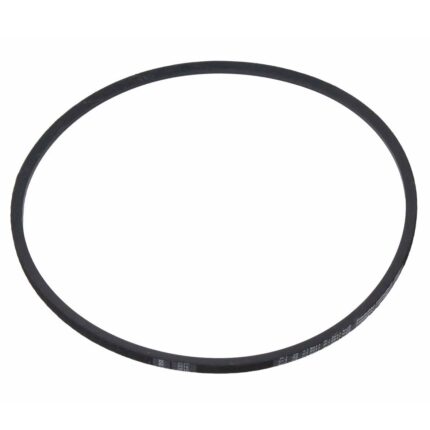
For the LB40 block with a 3 kW / 1450 rpm motor, use a compressor pulley of 255 mm diameter with a 100 mm motor pulley. This achieves the nominal 1000 rpm crankshaft speed. A deviation of more than 5% from nominal speed causes overheating or reduced output — verify the belt drive ratio before installation. The belt is a V-belt, section A (for most Aircast configurations).
❓ How often should the oil be changed in the LB40 block?
The first (run-in) oil change is due after 50 operating hours. Subsequent scheduled changes — every 500 hours or at least once every 6 months regardless of usage intensity. Use only ISO VG 100 viscosity oil for reciprocating compressors. Mixing oils from different manufacturers is not permitted — sludge forms and blocks the connecting-rod oil passages.
❓ What receiver volume is suitable for the LB40 block?
The optimal receiver volume for the LB40 is 50–100 litres. Below 50 l, the 3 kW motor will start more than 10 times per hour, reducing contactor and stator winding life. A 100 l receiver at the actual delivery of 440 l/min provides approximately 5–6 start/stop cycles per hour at a typical consumption of 250–300 l/min.